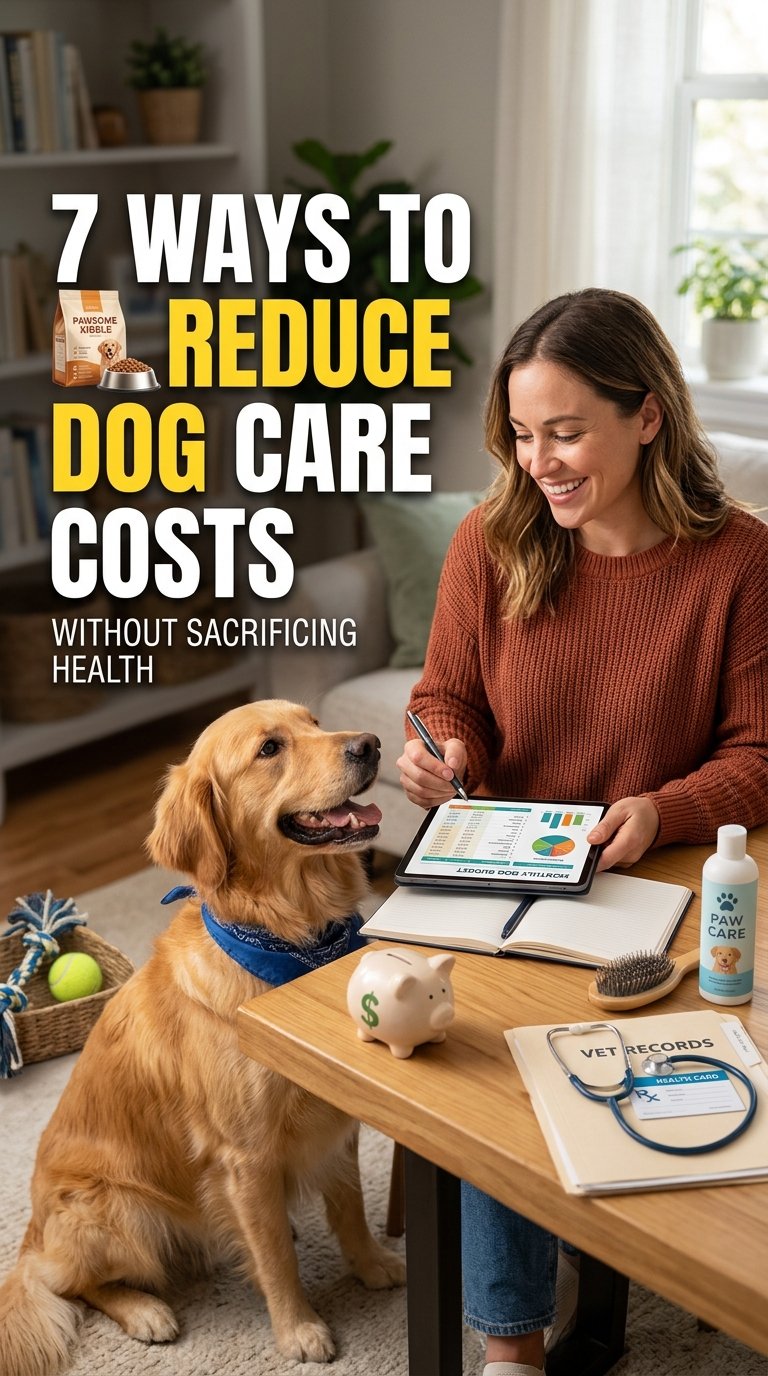
Top 7 Ways to Reduce Annual Dog Care Expenses Without Sacrificing Health

Owning a dog can be expensive, but reducing costs does not have to mean choosing poor-quality food, skipping veterinary care, or ignoring your dog’s health.
The best savings usually come from planning better, preventing avoidable problems, and avoiding unnecessary spending.
Many dog owners make one of two mistakes.
The first is buying the cheapest possible option for everything.
The second is spending money on every new pet product that appears online.
Neither approach is ideal.
After looking at the real costs of dog ownership, I have found that a practical middle ground works better: spend money where your dog’s health and safety truly matter, and save money where expensive extras provide little real value.
Here are seven practical ways to reduce your annual dog care expenses without sacrificing your dog’s wellbeing.
1. Focus on Preventive Veterinary Care
Skipping routine veterinary care may look like a way to save money.
In reality, delaying basic health care can sometimes allow problems to become more complicated before they are discovered.
Routine care may include:
- Wellness examinations
- Vaccinations
- Parasite prevention
- Dental monitoring
- General health checks
Preventive care does not guarantee that your dog will never become sick.
However, regular monitoring can help identify certain concerns earlier.
A simple budgeting strategy is to estimate your expected annual routine veterinary expenses and divide the amount across the year.
For example:
Expected yearly routine care cost ÷ 12 months = approximate monthly savings goal
This makes planned veterinary costs easier to manage.
2. Compare Dog Food by Cost Per Serving, Not Just Bag Price
One of the easiest ways to overspend on dog food is to compare bags only by their total price.
A cheaper bag is not always cheaper over time.
Look at:
- Serving size
- Number of days the food lasts
- Nutritional suitability
- Storage requirements
For example, calculate:
Bag price ÷ number of days the bag lasts
This gives you an approximate daily food cost.
You can track this using:
- Google Sheets
- Microsoft Excel
- A budgeting app
- A simple calculator
The goal is not to buy the cheapest food available.
Choose a nutritionally appropriate food for your dog’s life stage and individual needs.
3. Learn Basic Grooming Skills at Home
Professional grooming can be necessary for some breeds and coat types.
However, there may be basic grooming tasks you can safely learn to handle at home.
Depending on your dog’s needs, this may include:
- Regular brushing
- Basic coat maintenance
- Cleaning grooming tools
- Routine coat checks
Learning simple grooming habits can reduce the number of professional appointments required for some dogs.
Before attempting any task that could injure your dog, learn the correct method from a qualified groomer or veterinarian.
Do not force grooming if your dog becomes extremely stressed or aggressive.
4. Buy Durable Supplies Instead of Constantly Replacing Cheap Products
Cheap dog supplies can sometimes become expensive when they need frequent replacement.
Common items include:
- Beds
- Leashes
- Collars
- Food bowls
- Toys
Instead of buying multiple low-cost replacements, consider the expected lifespan of the item.
For example:
Price ÷ expected months of use = approximate monthly cost
A more durable product may cost more initially but provide better long-term value.
That does not mean you need to buy the most expensive product.
Look for safe, practical, and durable options.
5. Prevent Expensive Damage at Home
Puppies and bored dogs can damage:
- Furniture
- Shoes
- Electrical cables
- Clothing
- Household items
Replacing damaged belongings can become an unexpected part of dog ownership.
Basic prevention may include:
- Puppy-proofing your home
- Providing appropriate toys
- Supervising young dogs
- Creating safe rest areas
- Using training and enrichment
Prevention may cost less than repeatedly replacing damaged household items.
It can also reduce safety risks.
6. Build a Small Emergency Fund
Unexpected veterinary expenses can happen.
A separate emergency fund can provide financial flexibility.
You do not need to save a huge amount immediately.
A practical approach is:
Step 1
Create a separate savings category.
Step 2
Choose a realistic monthly contribution.
Step 3
Automate transfers if your bank provides that option.
Step 4
Avoid using the fund for routine expenses.
Even small regular savings can gradually create a useful financial cushion.
If you have pet insurance, remember that some policies may still involve deductibles, exclusions, or reimbursement delays.
7. Avoid Buying Unnecessary Pet Products
Pet stores and social media advertisements can make it feel like your dog needs dozens of accessories.
In reality, many dogs need only a practical set of essentials.
Before buying something, ask:
Does my dog actually need this?
Focus spending on:
- Appropriate food
- Safe equipment
- Veterinary care
- Necessary grooming
- Training
- Enrichment
Be careful with impulse purchases.
A product being popular online does not automatically mean it provides real value for your dog.
Bonus Tip: Keep a Simple Dog Care Budget
A budget can show you where your money is actually going.
You can create categories such as:
| Category | Budget Type |
|---|---|
| Food | Monthly |
| Veterinary Care | Monthly savings |
| Grooming | Monthly or occasional |
| Supplies | Occasional |
| Training | Occasional |
| Emergency Fund | Monthly savings |
A spreadsheet can help you track annual spending.
After a few months, you may notice patterns.
For example, you might discover that impulse purchases cost more than expected while routine healthcare was underfunded.
That information can help you adjust your budget.
What You Should Never Cut to Save Money
Saving money should not mean ignoring essential care.
Avoid reducing spending by:
- Skipping necessary veterinary treatment
- Ignoring serious symptoms
- Feeding nutritionally inappropriate food
- Using unsafe products
- Giving unapproved medications
- Avoiding necessary parasite prevention
The goal is smarter spending, not reduced care.
Common Money-Saving Mistakes Dog Owners Make
Buying the Cheapest Food Without Checking Suitability
The lowest price does not automatically provide appropriate nutrition.
Skipping Routine Vet Care
Ignoring preventive care can create problems later.
Buying Too Many Cheap Toys
Constant replacement costs can add up.
Ignoring Training
Behavioral problems can sometimes lead to property damage or additional training expenses.
Having No Emergency Plan
Unexpected expenses can happen even with careful planning.
Frequently Asked Questions
What is the easiest way to reduce dog care expenses?
Tracking spending and identifying unnecessary purchases can be a good starting point.
Can I save money by grooming my dog at home?
Basic grooming may be manageable for some dogs, but certain coat types and grooming tasks may require professional help.
Should I buy dog food in bulk?
Bulk buying can save money if the food will be used before it expires and can be stored properly.
Is preventive care worth the cost?
Routine veterinary monitoring may help identify certain health concerns earlier and is an important part of responsible pet ownership.
Should I have a dog emergency fund?
A dedicated emergency fund can help prepare for unexpected veterinary or care expenses.
Important Financial and Veterinary Disclaimer
This article provides general educational information about managing dog care expenses.
It is not financial or veterinary advice.
Your dog’s needs and expenses may vary based on age, breed, location, health, and lifestyle.
Do not delay necessary veterinary care solely to save money.
If your dog is sick, injured, or showing concerning symptoms, contact a qualified veterinarian.
Final Thoughts
Reducing annual dog care expenses does not mean spending less on everything.
The smartest approach is to spend intentionally.
Prioritize preventive care, appropriate nutrition, safe supplies, and your dog’s overall wellbeing.
Then look for savings in areas such as unnecessary purchases, frequent replacements, and poor planning.
Small improvements can make a noticeable difference over a year.
A simple budget, regular preventive care, and a growing emergency fund can help you manage costs while still giving your dog the care it needs.
The goal is not to own the cheapest dog possible.
The goal is to become a more prepared dog owner who spends wisely and keeps health and safety at the center of every decision.