
One of the easiest mistakes for a new pet owner to make is budgeting only for the expenses they can see coming.
You may remember to plan for food, toys, grooming, and a yearly veterinary visit. Then something unexpected happens.
Your dog starts limping after an energetic weekend at the park.
Your cat suddenly stops eating.
Your puppy swallows something it should not have touched.
Now the cost of owning a pet looks very different from the simple monthly budget you originally created.
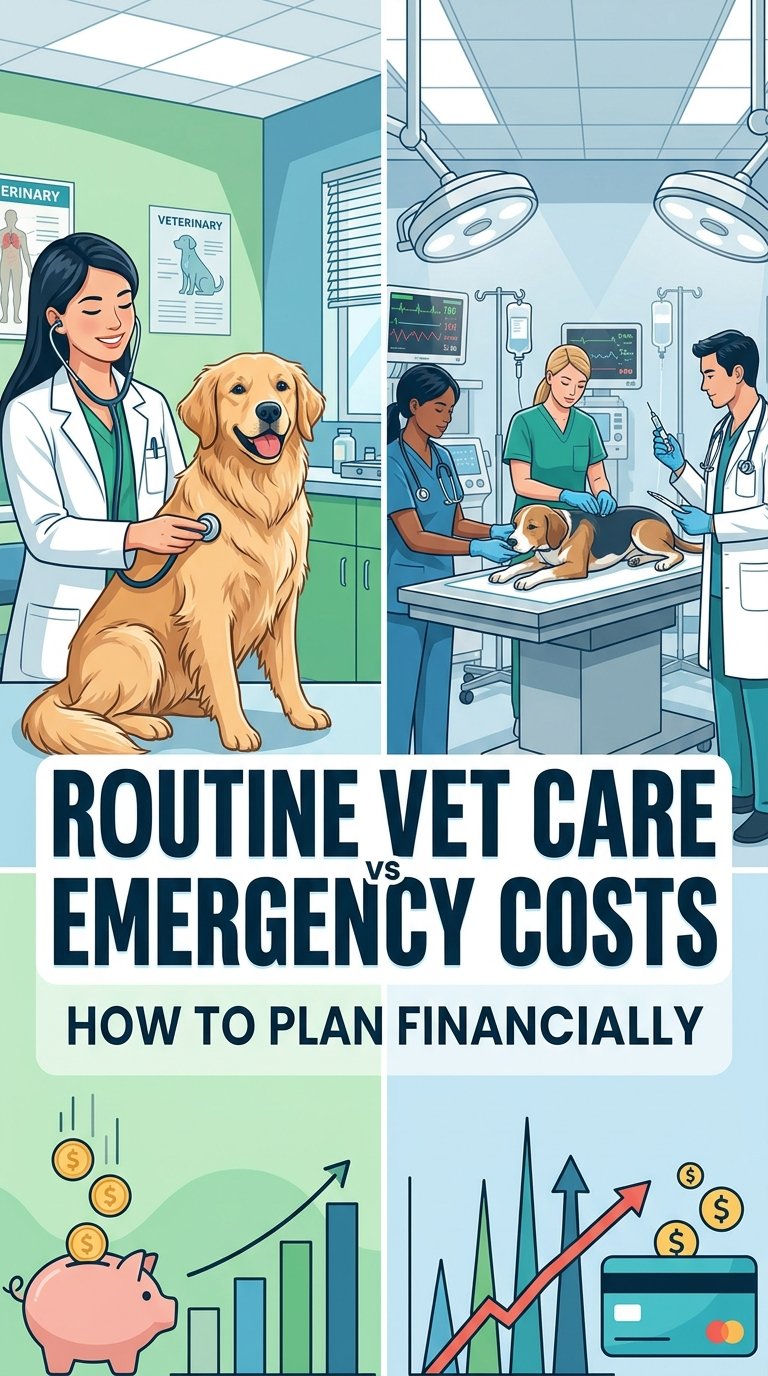
Routine veterinary care and emergency veterinary care are two very different parts of pet ownership. One is usually planned. The other can happen without warning.
A realistic pet budget should account for both.
This guide explains the difference between routine vet expenses and emergency costs, how to organize your finances, and how to create a practical plan without assuming you can predict every possible problem.
Understanding Routine Veterinary Expenses
Routine veterinary care includes planned or regularly recommended appointments intended to monitor your pet’s general health.
Depending on your pet’s age, location, and health needs, routine expenses may include:
- Wellness examinations
- Vaccinations
- Parasite prevention
- Routine diagnostic testing
- Dental care
- Follow-up appointments
- Senior pet monitoring
These expenses are usually easier to plan for because they happen regularly or can be scheduled in advance.
That does not mean they should be ignored in your monthly budget.
A common mistake is waiting until the appointment arrives and then treating the entire bill as a surprise.
A better approach is to estimate annual routine care costs and gradually set aside money throughout the year.
Why Routine Veterinary Care Still Needs a Budget
Routine care can sometimes feel less urgent because you know it is coming.
But skipping regular appointments may allow health problems to go unnoticed.
Instead of thinking:
“I will pay for the vet visit when it happens.”
Try thinking:
“I will save a small amount regularly so the money is available when the appointment is due.”
This approach can make annual expenses easier to manage.
For example, you can create a separate category in your monthly budget called:
Routine Pet Care
Then gradually add money to that category.
What Counts as an Emergency Veterinary Expense?
Emergency veterinary expenses involve unexpected health problems that may require urgent assessment or treatment.
Examples can include:
- Sudden illness
- Accidental injuries
- Difficulty breathing
- Serious digestive symptoms
- Foreign object ingestion
- Toxic substance exposure
- Sudden weakness
- Severe pain
The actual cost depends on the situation.
Emergency care may involve:
- Urgent examinations
- Diagnostic testing
- Imaging
- Medication
- Hospitalization
- Surgery
Not every emergency requires every type of treatment.
The important point is that emergency costs are difficult to predict.
The Biggest Financial Difference Between Routine and Emergency Care
The biggest difference is usually predictability.
Routine Care
You generally know that regular healthcare expenses will happen.
Emergency Care
You usually do not know:
- When it will happen
- What caused the problem
- What treatment may be required
- How much the final cost may be
This uncertainty is why emergency planning is important.
A Practical Way to Divide Your Pet Healthcare Budget
One approach is to create separate categories.
Category 1: Routine Veterinary Care
Use this for expected expenses such as:
- Wellness visits
- Vaccinations
- Preventive care
Category 2: Emergency Fund
Use this for unexpected medical expenses.
Category 3: Pet Insurance Costs
If you have pet insurance, keep premiums separate from your emergency savings.
Insurance and emergency savings serve different purposes.
Policies may include:
- Deductibles
- Reimbursement percentages
- Waiting periods
- Coverage exclusions
- Annual limits
Always review the specific policy terms.
How to Estimate Routine Veterinary Costs
Start by reviewing your pet’s recent veterinary history.
Look at:
- Previous invoices
- Recommended upcoming appointments
- Regular medications
- Preventive products
You can store this information in:
- A spreadsheet
- Google Sheets
- Microsoft Excel
- A budgeting app
- A simple notebook
Add the expected annual expenses together.
Then divide the total into monthly savings goals.
For example:
Estimated annual routine expenses ÷ 12 = monthly amount to set aside
This does not guarantee that your expenses will match exactly.
It simply makes planning easier.
How Much Should You Save for Pet Emergencies?
There is no single emergency fund amount that works for every pet owner.
Your ideal amount depends on:
- Your pet’s age
- Breed
- Existing financial situation
- Access to veterinary care
- Location
- Insurance coverage
The goal is to build a financial cushion gradually.
Even a small monthly contribution can become useful over time.
For example, you might automatically transfer money each month into a separate savings category.
Consistency matters more than trying to save a large amount immediately.
My Recommended Budgeting Approach for New Pet Owners
A simple system is often easier to maintain.
I recommend thinking about pet expenses in three groups:
Predictable Expenses
These include:
- Food
- Routine vet visits
- Grooming
- Preventive care
Irregular Expenses
These may include:
- Training
- Boarding
- Replacement equipment
- Dental cleaning
Unexpected Expenses
These may include:
- Emergency veterinary care
- Sudden illness
- Accidents
This system makes it easier to understand which costs should come from your monthly budget and which require savings.
Should You Use Pet Insurance?
Pet insurance may be one option for managing certain unexpected veterinary expenses.
However, it is important to understand what a policy actually includes.
Before choosing a policy, review:
- What accidents are covered
- What illnesses are covered
- Deductible amount
- Reimbursement percentage
- Maximum annual payout
- Waiting periods
- Pre-existing condition exclusions
Do not choose a policy based only on the monthly premium.
A cheaper policy may have different limits or exclusions.
Compare the full policy details.
Why Insurance Does Not Eliminate the Need for Savings
Some owners assume insurance means they no longer need an emergency fund.
That may not always be realistic.
Depending on the policy, you may still need money for:
- Deductibles
- Non-covered expenses
- Expenses before reimbursement
- Policy exclusions
Keeping some emergency savings can provide additional flexibility.
Example of a Simple Pet Healthcare Budget
Here is one way to organize your budget:
| Category | Planning Method |
|---|---|
| Routine Vet Care | Monthly savings |
| Preventive Care | Monthly or annual planning |
| Emergency Fund | Regular savings contribution |
| Pet Insurance | Monthly premium |
| Grooming | Monthly or occasional |
| Medication | Regular budget category |
Your exact categories may be different.
The important thing is having a system that fits your financial situation.
Common Financial Planning Mistakes Pet Owners Make
Planning Only for Food
Food is only one part of pet ownership.
Healthcare expenses should also be included.
Treating Routine Vet Visits as Unexpected
Routine appointments are easier to prepare for because they can often be anticipated.
Having No Emergency Plan
Emergencies are unpredictable.
Even a small emergency fund is better than having no plan at all.
Choosing Insurance Based Only on Price
Coverage details can matter more than the cheapest monthly premium.
Using the Emergency Fund for Non-Emergencies
Try to keep emergency savings separate from regular pet expenses.
How to Build Your Pet Emergency Fund Step by Step
Step 1: Open a Separate Savings Category
Keep emergency savings separate if possible.
This makes it easier to avoid spending the money accidentally.
Step 2: Choose a Realistic Monthly Contribution
Choose an amount that fits your budget.
Consistency is important.
Step 3: Automate the Savings
If your bank allows automatic transfers, schedule a regular transfer.
Automation can make saving easier.
Step 4: Review the Fund Regularly
Your financial situation and pet’s needs may change.
Review your plan periodically.
How Age Can Affect Your Pet Healthcare Budget
A pet’s healthcare needs can change throughout life.
Puppies and Kittens
Early life may involve:
- Vaccinations
- Initial examinations
- Preventive care
Adult Pets
Adult pets may have more predictable routine care needs.
However, accidents and unexpected illness can still happen.
Senior Pets
Older pets may require:
- More frequent monitoring
- Additional diagnostic testing
- Management of age-related health issues
As your pet ages, review your healthcare budget.
When Should You Review Your Pet Budget?
Review your budget when:
- You adopt a new pet
- Your pet gets older
- Your income changes
- Your pet develops new healthcare needs
- You change insurance coverage
A budget should be flexible.
Pet ownership costs can change over time.
Frequently Asked Questions
Should routine vet care and emergency savings be separate?
Keeping them separate can make budgeting easier because routine expenses are more predictable than emergencies.
How much should I save each month for my pet?
The right amount depends on your financial situation and expected pet expenses. Choose a realistic amount you can save consistently.
Is pet insurance enough for emergencies?
Policies vary and may involve deductibles, exclusions, waiting periods, and reimbursement rules. Some savings may still be useful.
What is the best way to prepare for emergency vet bills?
A combination of realistic budgeting, emergency savings, and understanding available insurance options may help.
Should senior pets have a larger healthcare budget?
Older pets may have changing healthcare needs, so reviewing and adjusting the budget can be useful.
Important Financial and Medical Disclaimer
This article provides general educational information about planning for pet healthcare expenses.
It does not provide financial, insurance, veterinary, or medical advice.
Veterinary costs, insurance coverage, and treatment needs vary by location, provider, policy, and individual pet.
For questions about your pet’s health, contact a qualified veterinarian.
For questions about insurance coverage or financial decisions, review official policy documents and consider speaking with an appropriate qualified professional.
Final Thoughts
Routine veterinary care and emergency expenses should not be treated as the same type of cost.
Routine care can usually be planned for.
Emergencies require flexibility.
The most practical approach is to create separate categories for regular veterinary expenses and unexpected situations.
Start small if necessary. Build your emergency savings gradually. Review your insurance policy carefully if you have one, and update your budget as your pet gets older.
You may never be able to predict exactly when your pet will need medical care, but having a financial plan before an emergency happens can reduce stress and help you focus on getting the right care when it matters most.